

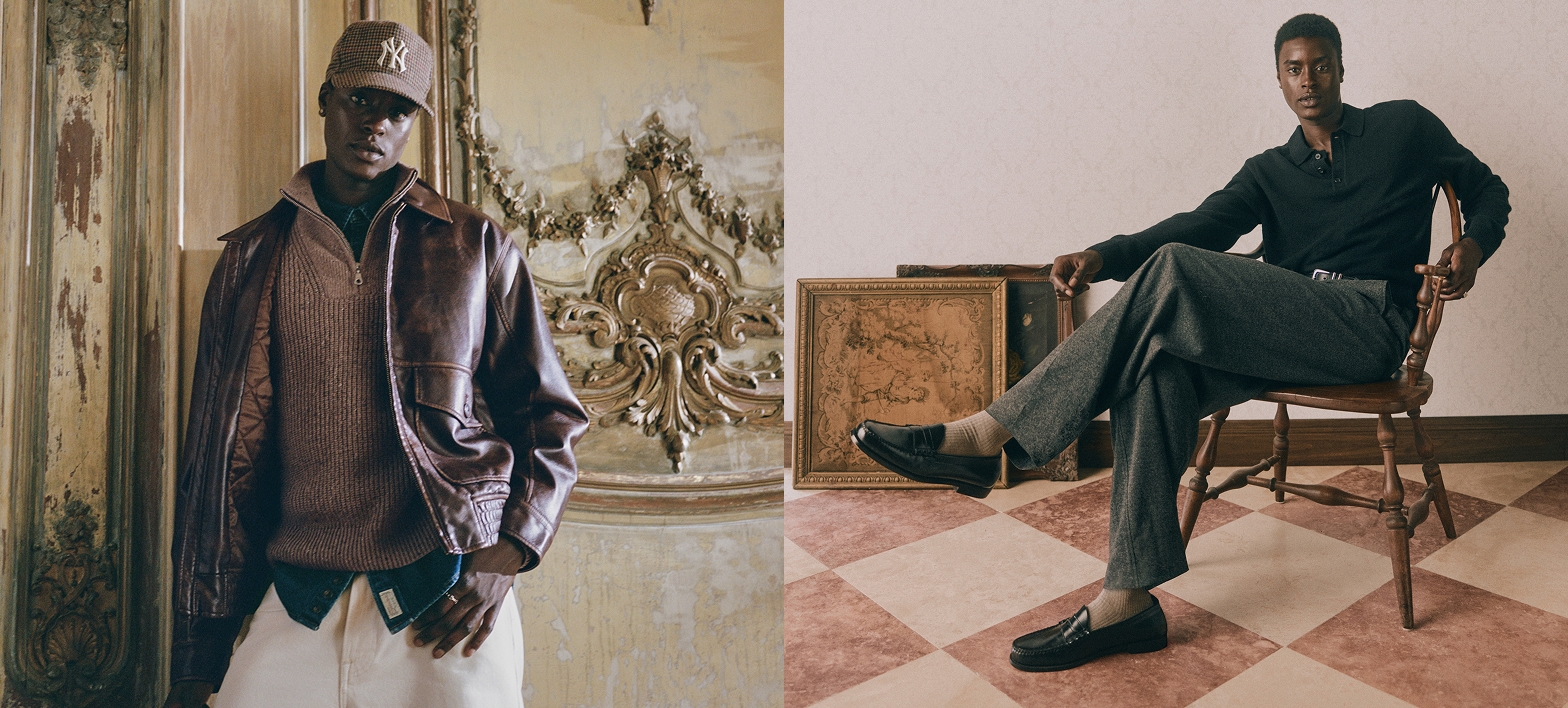
Casual everyday clothing sits at the center of how most people actually dress, moving from commutes to desks to weekend plans without a wardrobe change in between. Abercrombie & Fitch has built a range around that reality, favoring pieces that read as relaxed but still put together. This article looks at how that range has developed and what it offers for daily rotation.
The Evolution of Abercrombie & Fitch Casual Basics
Abercrombie & Fitch started as a brand known for logo-heavy collegiate styling, but its casual line has shifted toward simpler, more wearable shapes. The current direction leans into cleaner silhouettes, muted colorways, and fabrics meant for repeated daily use rather than occasional wear. This shift mirrors a broader move across apparel toward casual everyday clothing that works in more settings without needing a special occasion to justify it.
That evolution also shows up in how basics are merchandised now, grouped by function rather than by trend season. Tees, knits, and trousers are presented as building blocks instead of standalone statement pieces. As a result, shoppers can treat the collection as a wardrobe foundation rather than a one-off purchase. The brand’s contemporary casual collection emphasizes neutral palettes and understated design, stepping away from the branded graphics and bold statements that once defined the brand’s earlier aesthetic.
Essential Everyday Pieces in the Current Range
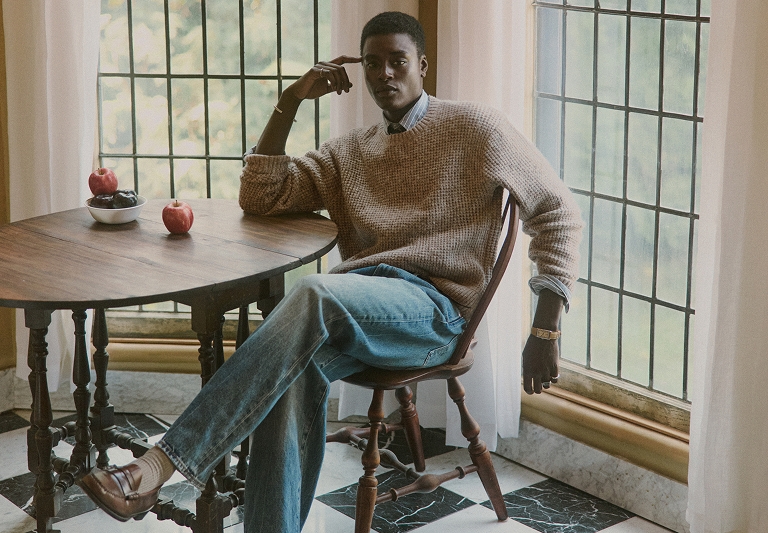
The present-day lineup from Abercrombie & Fitch centers on pieces that are easy to repeat through a week without feeling repetitive. Cotton tees, lightweight sweaters, straight-leg denim, and relaxed chinos form the backbone of this category. These items are designed to be mixed and matched rather than worn as isolated outfits. The collection emphasizes fabrics and cuts that work across body types and styling preferences, removing the narrowness that once limited the brand’s appeal to a single aesthetic.
In addition, outerwear such as unstructured jackets and zip-up layers rounds out the range, giving options for transitional weather. Button-up overshirts and lightweight cardigans extend the mixing possibilities, allowing layers that shift from day to evening without disrupting the casual foundation. This approach keeps the focus on versatility, which is central to any collection built around casual everyday clothing rather than occasion-specific dressing.
Layering and Versatility for Mixed-Weather Dressing
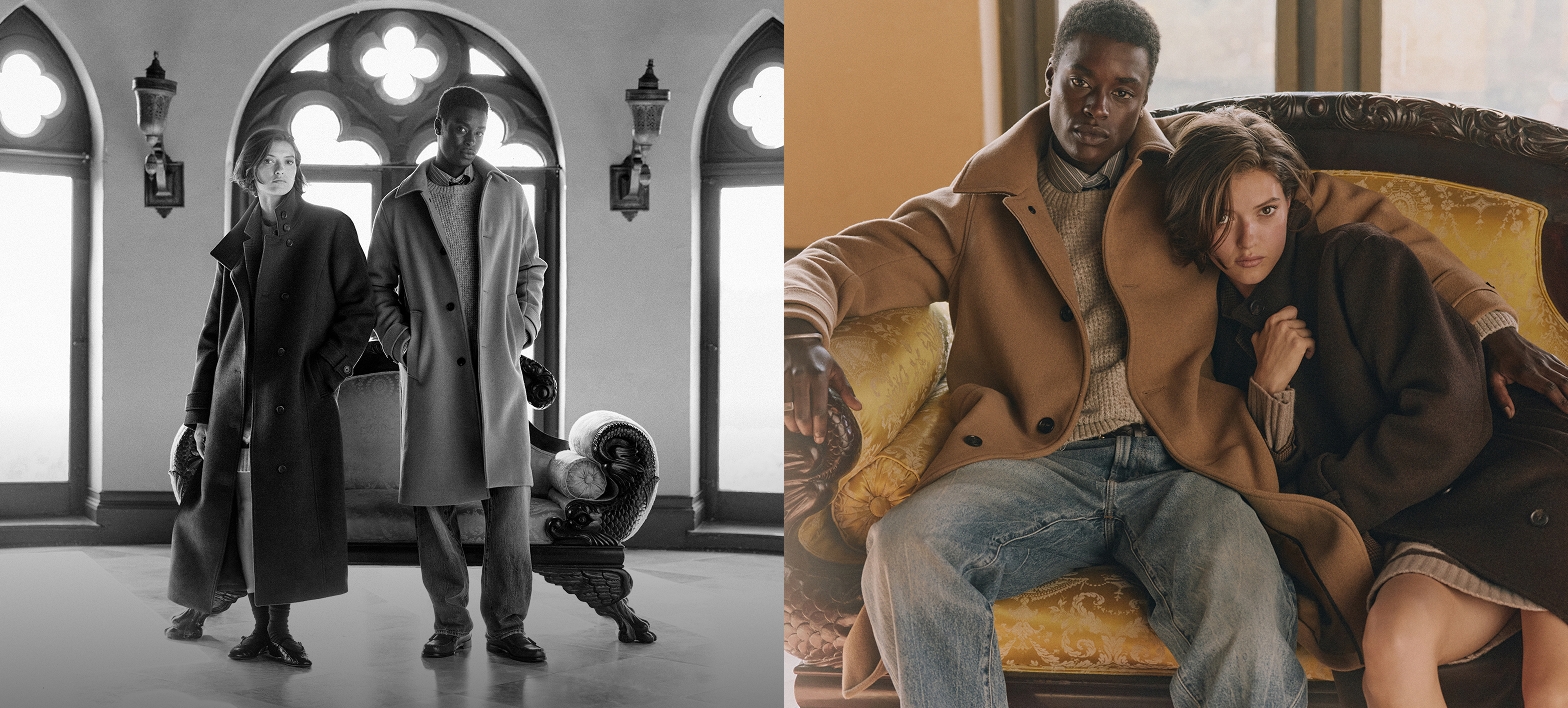
Layering is a practical concern for anyone dressing for a day that includes indoor heating, outdoor commuting, and evening cooldown. Lightweight knits paired with structured overshirts let a single outfit adjust as conditions change. This is one reason layering pieces are positioned as everyday essentials rather than seasonal add-ons. The brand’s current sizing range across these layering items accommodates different preferences, from fitted silhouettes to relaxed cuts that sit comfortably over base layers.
On top of that, neutral tones across tees, sweaters, and jackets make it simpler to combine pieces without much planning. That flexibility matters most on days packed with different settings, from a morning commute to a casual social stop after work. Clothing that transitions easily between environments reduces the need for multiple outfit changes. Pieces designed with proportions that work whether worn alone or layered expand the practical life of each item in a casual wardrobe.
Fabric Quality and Construction in Daily-Wear Essentials
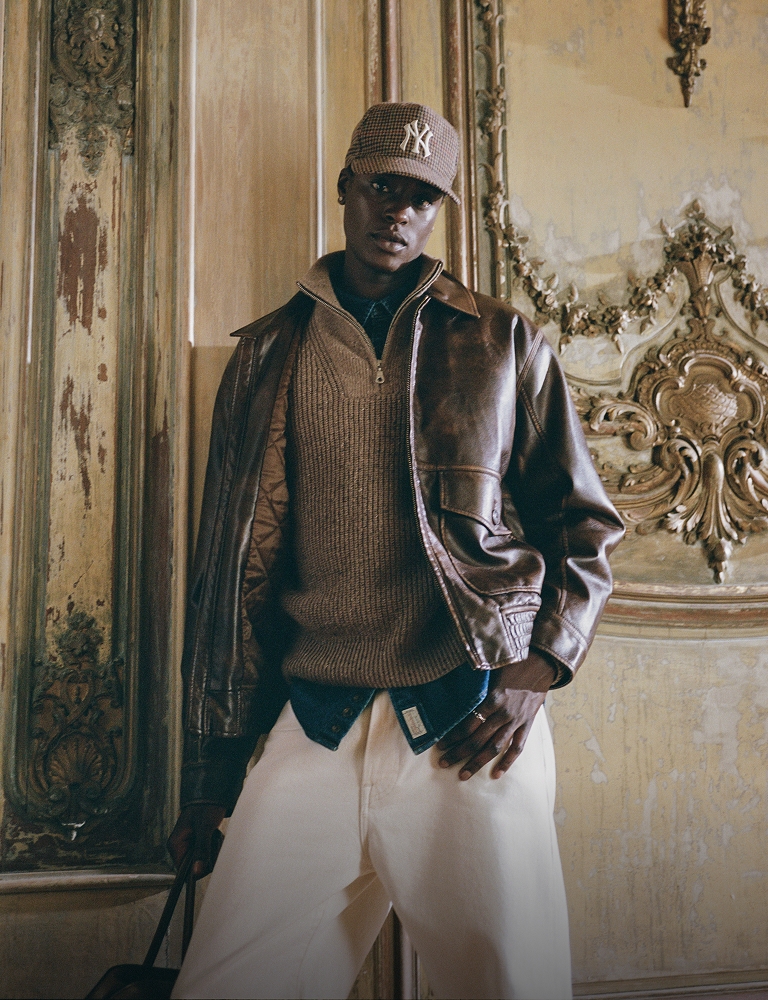
Daily-wear clothing faces more washing, movement, and friction than occasion-only pieces, so construction choices matter. Abercrombie & Fitch uses cotton blends and knit fabrics intended to hold shape through regular use. That focus on construction is part of what separates basics meant for daily rotation from pieces meant for a single wear. Reinforced seams and weight distribution in knits contribute to how these pieces perform across multiple wash cycles and extended wear.
Stitching details and fabric weight also factor into how a garment behaves over repeated washes. Heavier knits tend to resist stretching out, while lighter cotton tees prioritize breathability for warmer days. These are general considerations across the casual apparel category, and they apply directly to how this range is built for consistent use. The choice of materials reflects an understanding that everyday basics accumulate the most wear of any wardrobe category, so durability becomes as important as initial fit and comfort.
Styling Casual Abercrombie & Fitch Pieces for Different Occasions
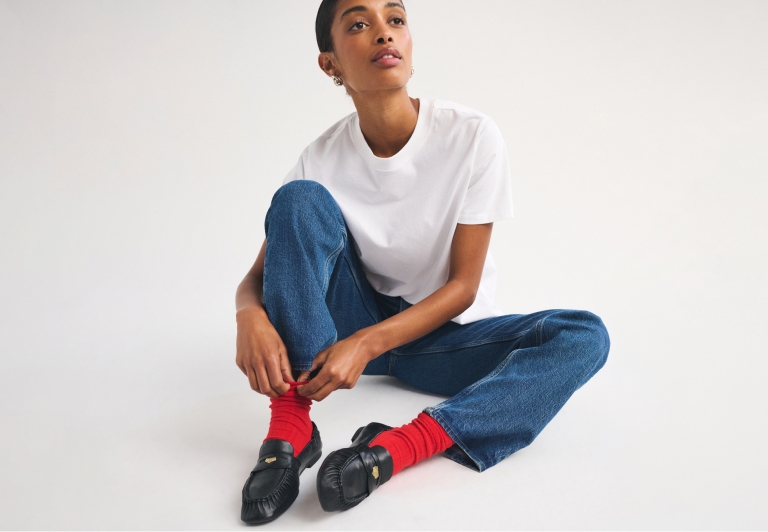
Dressing for a mix of commuting, office-casual settings, and weekend plans often means relying on a small set of adaptable pieces. The following list outlines how certain items function across common daily scenarios.
- A crewneck sweater over a collared shirt works for a commute and transitions easily into an office-casual environment without a change of clothes.
- Straight-leg denim paired with a knit top suits a weekend social gathering while remaining comfortable enough for walking or standing for long periods.
- A relaxed hoodie or crewneck fits a quiet stretch of relaxed home wear, offering comfort without sacrificing a put-together look if a quick errand comes up.
- Lightweight chinos with a tee can move from a daytime task to an evening meetup with minimal adjustment.
- An unstructured jacket layered over a basic tee handles unpredictable weather during a commute or an outdoor weekend activity.
Across these scenarios, the common thread is that casual everyday clothing is expected to adapt rather than be replaced outfit by outfit. That expectation shapes how Abercrombie & Fitch designs its basics, prioritizing pieces that hold up across more than one type of day. The result is a range built less around single occasions and more around the rhythm of an ordinary week.
For most people, dressing well in casual clothing means reaching for pieces that work without thinking, day after day, across different settings and seasons.